
Latest Plumbing Service Tips Every Homeowner Should Know
- 2 days ago
- 9 min read
A small plumbing problem rarely stays small for long. A slow drip can stain a cabinet. A weak flush can point to a hidden blockage. A tiny pipe leak behind a wall can damage flooring before anyone notices.
The good news is that modern plumbing care is less about waiting for something to break and more about spotting issues early. Newer fixtures, smarter leak protection, better drain habits, and routine checks can help keep water moving where it should.
These latest plumbing service tips cover practical, current ways to protect a home’s plumbing system, reduce waste, and know when it is time to call a licensed plumbing service.

Latest Plumbing Service Tips - Start with the plumbing basics most people miss
The most useful plumbing habits are simple. They do not require special tools or advanced knowledge. They require attention.
A good place to start is with the fixtures used every day:
Sinks
Toilets
Showers and tubs
Washing machine connections
Water heater
Outdoor hose bibs
Main shutoff valve
Walk through the home once a month and look for moisture, stains, mineral buildup, slow drainage, low water pressure, or unusual sounds. These early signs often show up before a major failure.
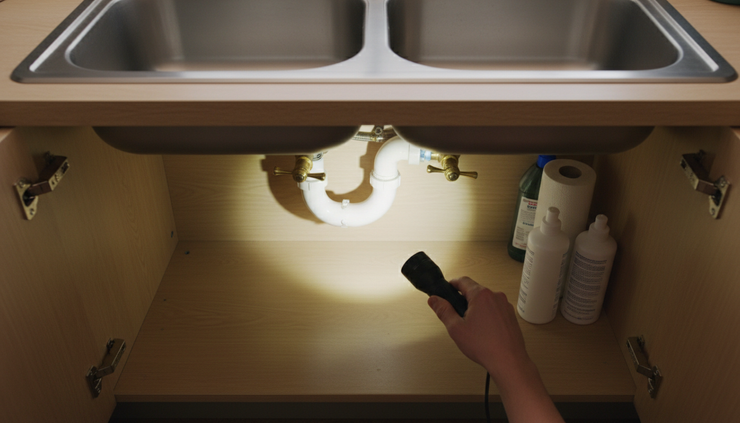
Check under sinks with a flashlight. Run your hand along supply lines and drain traps. If the cabinet floor feels soft, smells musty, or shows water rings, there may be a small leak.
Toilets deserve special attention. A toilet can waste a surprising amount of water when its flapper, fill valve, or overflow tube fails. Add a few drops of food coloring to the tank, wait about 10 minutes, and see whether color appears in the bowl without flushing. If it does, water is leaking from the tank into the bowl.
Also learn where the main water shutoff valve is. Every adult in the home should know how to close it. In a burst pipe emergency, shutting off water quickly can reduce damage.
The best time to find the main shutoff valve is before water is flooding the floor.
Use smart leak detectors in high-risk areas
Smart leak detectors have become one of the most useful upgrades for homeowners. These small devices sit near areas where leaks are common. When they sense water, they send an alert through an app or sound an alarm.
Place them near:
Water heaters
Washing machines
Dishwashers
Toilets
Sump pumps
Under-sink cabinets
Basement utility areas
Some advanced systems can connect to an automatic shutoff valve. If a leak is detected, the device can shut off water to the home. That can be helpful for frequent travelers, vacation homes, or houses with finished basements.
Not every home needs a whole-house system, but even basic detectors can make a difference. They are especially useful in spots that do not get checked often, such as behind appliances or inside utility closets.
Smart devices are not a replacement for maintenance. Batteries need to be checked, sensors need to stay clean, and alerts must go to someone who can respond. Still, they add a strong layer of protection.

Protect drains before they clog
Drain problems are among the most common plumbing calls. They usually build up slowly. Hair, soap film, grease, food scraps, and sediment collect inside pipes until water no longer flows well.
A few habits prevent most household clogs.
Use drain screens in showers and bathroom sinks. Clean them often. Keep grease, cooking oil, and coffee grounds out of kitchen drains. Even if grease goes down as a liquid, it can cool and stick to the inside of pipes.
Avoid using the garbage disposal as a trash can. It can handle small food particles, but it is not made for fibrous scraps, bones, eggshells, pasta, rice, or thick peels. Run cold water before, during, and after using it.
Chemical drain cleaners may seem convenient, but they can be harsh on pipes and may not clear the full blockage. If a drain clogs repeatedly, the problem may be deeper in the line. A plumber can use a camera inspection or proper drain equipment to find the real cause.
For routine care, try this simple method:
Remove visible debris from the drain opening.
Flush with hot tap water.
Use a plunger when water drains slowly.
Call a plumber if the same drain slows down again.
Repeated clogs are a symptom, not a normal part of homeownership.
Pay attention to water pressure
High water pressure feels nice in the shower, but it can stress pipes, valves, fixtures, and appliances. Low pressure can point to mineral buildup, a failing pressure regulator, a partially closed valve, or a hidden leak.
A simple pressure gauge can attach to an outdoor spigot or laundry connection. Many homes perform best within a moderate pressure range. If pressure is too high, a plumber may recommend a pressure reducing valve. If the home already has one, it may need adjustment or replacement.
Signs of pressure problems include:
Banging pipes
Running toilets after nearby fixtures are used
Leaking faucet cartridges
Water heater relief valve discharge
Spurting water when a faucet first opens
Weak flow from more than one fixture
Water hammer, the banging sound that can happen when water stops suddenly, should not be ignored. It may loosen fittings over time. Water hammer arrestors or pressure adjustments can often solve the problem.
Pressure issues are easy to overlook because water still runs. Yet stable pressure helps the entire plumbing system last longer.

Treat the water heater like a key system
The water heater works every day, often with little attention until something goes wrong. Regular care can improve performance and help catch warning signs early.
For tank water heaters, look for rust, puddles, popping noises, and inconsistent hot water. Popping or rumbling often comes from sediment inside the tank. Sediment can reduce efficiency and strain the unit.
Many homeowners schedule annual water heater maintenance. That may include checking the anode rod, testing the temperature and pressure relief valve, inspecting fittings, and flushing sediment from the tank when appropriate.
Tankless water heaters need care too. Mineral scale can build up inside the heat exchanger, especially in hard water areas. Periodic descaling helps maintain flow and heating performance.
Set the hot water temperature to a safe, practical level. Water that is too hot can increase scald risk and energy use. Water that is too cool may not meet household needs. If changing settings, follow the manufacturer’s instructions or ask a professional.
Call a plumber right away if the water heater leaks from the tank itself. A leaking tank usually cannot be repaired in a lasting way. Shut off power or gas according to the unit type and close the water supply if it is safe to do so.
Gas water heaters need extra care. If there is a gas smell, leave the area and contact the gas utility or emergency services. Do not try to diagnose a gas leak yourself.
Upgrade fixtures that waste water or fail often
Older fixtures can work for years, but some become expensive through waste, leaks, and frequent repairs. Modern plumbing fixtures often use less water while still performing well.
Useful upgrades include:
Low-flow showerheads
Today’s better showerheads can reduce water use without feeling weak. Look for models designed for good spray pressure, not just low flow.
WaterSense labeled toilets
Toilets with efficient flush designs can help reduce water use. If an older toilet clogs often or runs frequently, replacement may cost less over time than repeated repairs.
Single-handle faucets with ceramic cartridges
Ceramic cartridges tend to hold up well and are easier to maintain than older washer-style designs.
Quarter-turn shutoff valves
Old multi-turn valves can seize or leak when touched. Quarter-turn valves are easier to operate and helpful during emergencies.
Braided stainless steel supply lines
These are often stronger than older plastic or rubber lines, especially for sinks, toilets, washing machines, and appliances.
When replacing fixtures, check compatibility. Pipe size, valve type, water pressure, and existing connections matter. A simple replacement can become a bigger job if old parts are corroded or nonstandard.
Know what should never go down the drain
Many plumbing emergencies start with the wrong items entering the system. Toilets and drains are not designed to handle everything labeled “flushable” or “disposable.”
Keep these out of toilets:
Wipes, even flushable ones
Paper towels
Cotton swabs
Dental floss
Feminine hygiene products
Diapers
Medication
Cat litter
Keep these out of kitchen drains:
Grease and oil
Flour or dough
Rice and pasta
Coffee grounds
Bones
Produce stickers
Fibrous vegetables
Paint or household chemicals
Wipes are a major problem because they do not break down like toilet paper. They can catch on pipe joints, roots, or rough spots in older lines. Over time, they create tough blockages.
If a toilet backs up into a tub or shower, stop using water throughout the home. That can signal a main sewer line blockage. Continuing to flush or run sinks can make the backup worse.
Watch for hidden leaks behind walls and floors
Not every leak creates a puddle. Some leaks stay hidden until damage appears. Slow leaks behind walls, under floors, or above ceilings can lead to stained drywall, warped flooring, mildew odors, and higher water bills.
Warning signs include:
Paint bubbling or peeling
Soft flooring near tubs or toilets
A musty smell that does not go away
Warm spots on floors
The sound of running water when fixtures are off
A water meter that moves when no water is being used
To check for a hidden leak, turn off all faucets and appliances that use water. Look at the water meter. If it continues moving, water may be running somewhere in the system.
Hard-to-find leaks need proper tools. Plumbers may use moisture meters, acoustic equipment, thermal imaging, or pressure testing. Opening walls should be the last step, not the first guess.
Prepare outdoor plumbing for seasonal changes
Outdoor plumbing is easy to forget until a hose bib freezes, a sprinkler line leaks, or water pools near the foundation. Seasonal checks help avoid damage.
Before cold weather, disconnect hoses from outdoor faucets. If the home has interior shutoff valves for hose bibs, close them and drain the outdoor lines. Frost-free hose bibs still need hoses removed to work properly.
Inspect sprinkler systems for broken heads, soggy areas, or unusually high water use. Irrigation leaks can waste a lot of water because they often run when no one is watching.
During warm months, check outdoor spigots after the first few uses. A leak inside the wall behind an outdoor faucet can be serious. If water appears inside the home when the hose is running, shut it off and call a plumber.
Also keep gutters and downspouts working. They are not part of the indoor plumbing system, but poor drainage around the foundation can create moisture problems that affect basements, crawl spaces, and underground lines.
Schedule service before old parts fail
Some plumbing parts wear out quietly. Waiting for failure can cause more damage than planned replacement.
Pay attention to the age and condition of:
Water heaters
Shutoff valves
Supply lines
Sump pumps
Pressure reducing valves
Toilet fill valves
Washing machine hoses
Garbage disposals
A licensed plumber can inspect these parts during routine service. That visit may uncover corroded valves, aging connectors, weak water heater components, or drains starting to clog.
A maintenance visit is also a good time to ask about the home’s plumbing layout. Knowing where cleanouts, shutoffs, and main lines are located saves time during an emergency.
For older homes, a camera inspection may be useful if there are repeated drain issues, large trees near sewer lines, or signs of pipe settling. This does not need to be done every year for every home, but it can prevent guessing when symptoms keep returning.
A simple plumbing checklist for the year
Use this as a basic maintenance rhythm.
When | What to check |
Monthly | Look under sinks, check toilets for running water, listen for unusual pipe sounds |
Every few months | Clean drain screens, inspect appliance supply lines, test shutoff valves gently |
Spring | Check outdoor faucets, irrigation lines, sump pump discharge, and hose connections |
Fall | Disconnect hoses, protect outdoor plumbing, inspect the water heater area |
Once a year | Schedule a plumbing inspection if the home has older pipes, recurring clogs, or aging fixtures |
This schedule does not replace professional advice, but it creates a useful routine. The goal is to catch small issues while they are still simple.
The takeaway for modern plumbing care
Good plumbing maintenance is not complicated. It comes down to early warning, smart habits, and timely repairs.
Know where the shutoff valve is. Keep grease, wipes, and debris out of drains. Watch water pressure. Maintain the water heater. Use leak detectors in risky areas. Replace weak supply lines and worn valves before they fail.
Most of all, do not ignore repeat problems. A clog that keeps coming back, a toilet that keeps running, or a damp spot that returns after drying needs attention. The latest plumbing service tips are useful because they help prevent emergencies, not just react to them.
A home’s plumbing system works best when it is checked before there is a crisis. A little attention now can save water, protect the structure, and keep daily life running smoothly.
Need a Plumber in Ernakulam?
If you're experiencing Plumbing problem ,getting professional assistance early can help prevent bigger issues.
QuickCare Solutions – Plumbing Services in Ernakulam📞 +91 9188630770

Comments